
Eating healthy, saving money, living substantially – does that sound like something that interests you? If your answer is yes, then you don’t want to miss out on the most comprehensive resource book on Backyard Farming (on an Acre more or less) by our own Angela England. Learning the skills of our ancestors and applying […]
How to Make Easy, Delicious and Healthy Freezer Applesauce

During the fall, apples are in abundance and are typically very affordable, being a seasonal fruit. There are a lot of useful benefits to seasonal fruits and vegetables, and there are a few ways of preserving them that will allow you to enjoy their fresh taste all winter and spring! For me, the easiest thing to do with […]
How to Grow Garlic Organically – Plus Giveaway!

Did you know fall is the season to plant garlic? It is an excellent time to plant other bulbs – daffodils, crocus bulbs, etc so it’s easy to remember, when you think about it that way, to plant your garlic as well. Planting Garlic When you plant garlic you aren’t planting the full bulb. Break […]
Learning the Ins and Outs of Organic Farming

I’ve seen that hard work goes a long way to producing healthy produce that works with nature, not against it. Organic farmers, you have my lifetime respect, and I will support you by eating anything your gardens produce.
How to Grill Zucchini (and Other Ideas for Using Zucchini)

Zucchini is in abundance at this time of year, especially in my parents’ garden. We don’t grow any since we have a small backyard garden, but we get plenty from them. My kids aren’t horribly crazy about eating it (unless it’s shredded and hidden in bread) but they do enjoy it grilled. And something about […]
DIY: How to Can Cherries

Canning cherries at home is easy to do—a small batch can be finished in about an hour or two. The reward comes in both saving money (buying fresh cherries on sale is cheaper than buying canned cherries on sale) and in having delicious, healthy fruit to eat during the winter months. Here’s my tips and […]
Growing Raspberries in Your Garden: The Delicious Jam Berry

Slip them into a smoothie or make them into jam: raspberries are one of the delights of summer. My favorite way to eat raspberries is to pick them and eat them straight from the bush on a warm summer’s day. Why Eat Raspberries? Raspberries are a lower-carbohydrate fruit. They’re also high in fiber. All of […]
The Boisterous Blueberry: Growing Blueberries in the Home Garden

Blueberries are sometimes a quiet fruit. These little gems can be packed full of gentle sweetness, or they can feature a boisterous sweet-tart taste that makes you pucker your lips and smile. If you love blueberries, you’re not alone. They rank up there with my all time favorite fruits. Why Eat Blueberries Blueberries are a […]
How Do You Save Seeds from Beans for Planting or Eating?
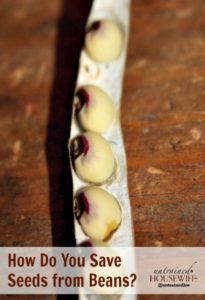
When you are growing an heirloom variety of beans (cow peas, or snap beans it doesn’t matter) it is easy to save the seeds from year to year. These are purple-hulled peas which are called that because of the bright purple-colored hulls they produce. You can eat these fresh as “green beans” or let […]
Building a Cedar Raised-Bed Planter – Backyard Botanical Gardening System Review

We shop at Sam’s Club all the time – with five kids, what do you expect? It’s a monthly journey to stock up on the stuff we need and take a look at what Sam’s Club has going on. Right now they have some incredible outdoor living items available, including this cedar raised-bed planter – their Backyard Botanical Complete Gardening System.
Local Resources for Great Gardening Information

Gardening information is everywhere; from books to online to your next-door neighbor. But many questions are region-specific and you’re unable to find (or are unsatisfied) with the answers you’re gathering on your own. There are places that you can go to in your hometown to get some one-on-one advice. My very favorite resource for consulting […]
Self-Pollinating Plants: A More Civilized Garden

Guest post by David King ~ Seed saving marks the beginning of our modern civilizations. Science can tell when grains like wheat and barley were domesticated because as soon as humans began to plant them for food, reserving some of the seed for next year’s planting, the seeds changed to make that job easier. Suddenly, […]


